

In many parts of the world, including South Africa, death remains one of the last great taboos. We plan for births, celebrate milestones, and share our achievements openly—but when it comes to death, we often fall silent. For members of the South African Secular Society and the broader secular community, this silence raises important questions. What happens when we avoid discussing the one certainty we all face? And what might change if we spoke about death more openly, honestly, and without fear?
A growing global movement is attempting to answer these questions. Known as the Death Café, it offers a simple but powerful idea: bring people together in a relaxed setting to talk about death.
What Is a Death Café?
A Death Café is not a support group, a counselling session, or a lecture. Instead, it is an informal gathering where people meet—often in cafés, community halls, or private homes—to discuss death over tea, coffee, and cake.
The concept was introduced in 2011 by Jon Underwood in London, inspired by the work of Swiss sociologist Bernard Crettaz, who had previously organised similar events known as “Café Mortel”. Underwood’s aim was not to provide answers, but to create a space where people could ask questions, share perspectives, and reflect on mortality in an open and respectful environment.
There is no set agenda. Conversations flow naturally, guided by the interests and experiences of those present. Some people speak; others simply listen. What unites participants is a shared willingness to engage with a topic that is so often avoided.

Why Talk About Death?
At first glance, the idea may seem uncomfortable. Why would anyone choose to spend time talking about death?
The answer lies in what these conversations reveal. When people begin to talk openly about death, they are often really talking about life—about what matters, what they value, and how they wish to be remembered.
Avoiding the subject does not make death less real. Instead, it can leave individuals and families unprepared, both practically and emotionally. In contrast, open conversations can:
- reduce fear and anxiety around dying
- encourage thoughtful planning for end-of-life wishes
- help people articulate their values
- foster deeper connections between individuals
For a secular audience, these discussions are particularly important. Without relying on religious narratives about an afterlife, many people find meaning in focusing on the life that is being lived now, and the legacy they leave behind.
A Growing Global Movement
Since its founding, the Death Café movement has spread rapidly across the world. Thousands of gatherings have taken place in cities and towns across Europe, North America, Australia, and beyond. While still relatively new in South Africa, interest is steadily growing.
This rise reflects a broader cultural shift. Increasingly, people are questioning traditional approaches to death and dying. They are seeking spaces where they can explore these issues freely, without expectation, judgement, or dogma.
Death Cafés meet this need by offering something rare: a space where uncertainty is allowed, and where diverse perspectives can coexist.
What Happens at a Death Café?
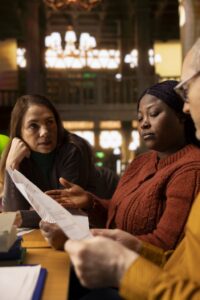
Despite the weight of the topic, the atmosphere at a Death Café is often warm, thoughtful, and even surprisingly uplifting.
A typical gathering might begin with informal introductions before moving into small-group or whole-group discussions. Topics can range widely:
- personal experiences of loss
- fears or curiosities about dying
- cultural attitudes towards death
- ethical questions around end-of-life care
- how individuals wish to be remembered
There is no pressure to reach conclusions. The goal is not to persuade or instruct, but simply to explore.
Participants often remark on how natural the conversation feels once it begins. Freed from the usual constraints of social etiquette around death, people are able to speak more openly—and listen more deeply—than they might in other settings.
Why This Matters in a South African Context
South Africa is a country rich in cultural diversity, with a wide range of beliefs and practices surrounding death. At the same time, it is also a society where inequality, healthcare access, and social pressures can complicate end-of-life experiences.
In such a context, the ability to talk openly about death becomes even more important.

For those who identify as secular or non-religious, there can be an additional challenge. Many of the dominant narratives around death are framed in religious terms, which may not resonate with everyone. This can leave individuals feeling isolated or unsure of how to express their own views and wishes.
Death Cafés provide an alternative. They create inclusive spaces where people can reflect on mortality from a humanist, philosophical, or personal perspective—without the need to conform to any particular belief system.
The Role of Conversation in Shaping Meaningful Endings
One of the most significant benefits of talking about death is the impact it can have on how we approach the end of life.
When people have considered their wishes in advance, they are more likely to:
- communicate those wishes clearly to loved ones
- make informed decisions about medical care
- create funerals or memorials that reflect their values
- reduce the emotional burden on family members
For those involved in end-of-life care or funeral planning, it is often evident when these conversations have not taken place. Families may feel uncertain, conflicted, or overwhelmed when trying to make decisions on behalf of a loved one.
By contrast, when people have engaged with these questions beforehand, the process can become more meaningful and less distressing.

Death Cafés and Secular Values
At their core, Death Cafés align closely with secular values: curiosity, openness, critical thinking, and respect for diverse viewpoints.
They encourage participants to:
- question assumptions about death and dying
- explore meaning without reliance on doctrine
- engage in honest, evidence-informed discussions
- recognise shared human experiences across different backgrounds
In doing so, they help to normalise conversations that are often pushed to the margins of society.
For organisations like the South African Secular Society, this represents an important opportunity. By supporting or promoting spaces for open dialogue, the secular community can play a role in fostering a healthier, more thoughtful approach to death.
Talking About Death Is Talking About Life
It may seem counterintuitive, but those who attend Death Cafés often leave with a renewed appreciation for life.
Confronting the reality of mortality can sharpen our sense of what is important. It can prompt us to prioritise relationships, reflect on our values, and make more intentional choices about how we live.
In this way, talking about death is not an exercise in morbidity. It is an invitation to live more fully.

A Gentle Invitation
The idea of attending a Death Café may not appeal to everyone immediately—and that is perfectly natural. But even small steps can make a difference.
Starting a conversation with a friend or family member. Reflecting on your own wishes. Asking questions that might otherwise go unspoken.
These are all part of the same broader movement: bringing death out of the shadows and into the realm of open, human conversation.
Because in the end, acknowledging our mortality does not diminish life. It gives it depth, urgency, and meaning.