Secular Society South Africa

Humanism

Baby naming ceremony

Why have a Baby Naming Ceremony?

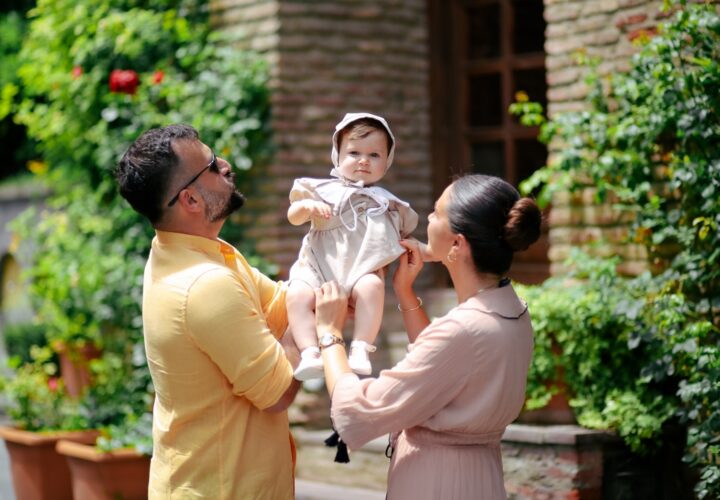
Introduction Many young couples would describe themselves as “non-religious”. So when they have a baby they don’t wish to take it to a formal religious venue for some sort of ritual which will commit them and the child to uphold that religion’s teachings. But that doesn’t mean that they don’t want a ceremony in which Read more

Why have a Baby Naming Ceremony? Read More »

Modern Humanism

Modern Humanism: An Interview with the Author

Modern Humanism: Science, Ethics and the Stewardship of Earth by Kai Taraporevala was published in 2025 by MH Eudaimon Editions. It has been widely praised by reviewers as a masterful synthesis of science, philosophy, and environmental ethics. The South African Secular Society conducted the following interview with the author.   How do you define modern

Modern Humanism: An Interview with the Author Read More »

Talking About Death Over Coffee: Why Death Cafés Matter

In many parts of the world, including South Africa, death remains one of the last great taboos. We plan for births, celebrate milestones, and share our achievements openly—but when it comes to death, we often fall silent. For members of the South African Secular Society and the broader secular community, this silence raises important questions.

Talking About Death Over Coffee: Why Death Cafés Matter Read More »

secular values in 2026

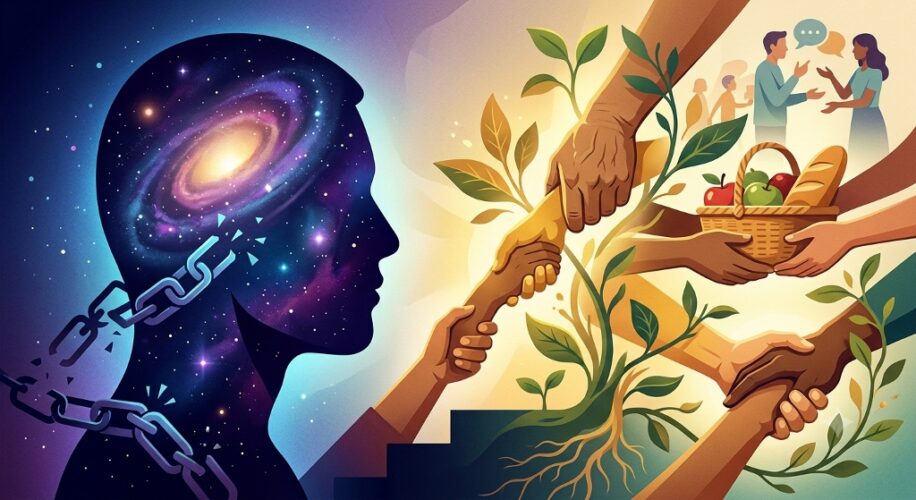
What Secular Values Offer South Africa in 2026

Human dignity, equality, critical thinking, and evidence-based progress South Africa enters 2026 carrying both promise and strain. We are a constitutional democracy founded on human dignity, equality, and freedom, yet we continue to live with deep inequality, social fragmentation, and a persistent gap between policy intention and lived reality. In this context, secular values are

What Secular Values Offer South Africa in 2026 Read More »

secular charter

Our Secular Charter: Your Rights, Explained

When the South African Secular Society (SASS) was established in 2014, a Secular Charter was adopted. This outlines the principles of the secular state that SASS strives to achieve. Comparative approaches to secular charters around the world Across the world, societies have found different ways to formalise the principle of secularism — the separation of religion

Our Secular Charter: Your Rights, Explained Read More »

More Than a Feeling: The Secular Architecture of Mandela’s Constitution

An opinion piece by Declan Ahern. On July 18th, we don’t just remember a man; we celebrate an idea. We’ve consumed the brand of Nelson Mandela for decades: the warm smile, the forgiving spirit, the easy story of the Rainbow Nation. It’s a powerful, marketable narrative that feels good. A national comfort food. But comfort

More Than a Feeling: The Secular Architecture of Mandela’s Constitution Read More »

Ubuntu and secular humanism

Secular Humanism and Ubuntu: Two Sides, Same Coin?

Introduction Ubuntu and secular humanism might arise from different cultural and philosophical traditions, but both emphasise our shared humanity, dignity, and moral responsibility. Ubuntu is an African worldview captured in the phrase “I am because we are,” while secular humanism is a non-religious ethical stance that values human welfare, reason, and compassion without reliance on

Secular Humanism and Ubuntu: Two Sides, Same Coin? Read More »

tackling life's big questions

Tackling Life’s Big Questions: A Non-Religious Approach

In a world where religious beliefs have traditionally provided answers to life’s most profound questions, those of us who embrace a secular worldview often find ourselves navigating these existential conundrums without the comfort of divine explanations. Yet, far from leaving us adrift, this perspective offers a rich, nuanced approach to understanding our place in the

Tackling Life’s Big Questions: A Non-Religious Approach Read More »

Humanist manifesto

The Evolution of the Humanist Manifesto: A Journey Through Secular Thought

Introduction Humanism is a philosophical and ethical approach that emphasises reason, compassion, and the value of human life. Humanists believe humans can create a just and fulfilling world through their efforts. The Humanist Manifesto articulates humanism’s core beliefs and values. Since its inception in 1933, it has undergone significant revisions, each reflecting the zeitgeist of

The Evolution of the Humanist Manifesto: A Journey Through Secular Thought Read More »